VISION AND VALUES

Donga Blog

Sample Page

Author: admin

  • Understanding Changes in Modern Society

    Understanding Changes in Modern Society

    Modern society is constantly evolving due to advancements in technology, changes in culture, economic developments, and shifting lifestyles. The way people communicate, work, learn, and interact with each other has transformed significantly over time. These changes influence everyday experiences and create new opportunities as well as new challenges. Understanding the changes happening in society helps individuals adapt, make better decisions, and prepare for the future. As the world continues to develop, awareness and flexibility have become important qualities for successfully navigating modern life.

    The Impact of Technology on Society

    Technology is one of the most powerful forces shaping modern society. Digital tools, online platforms, and advanced communication systems have changed how people complete daily tasks and connect with others.

    People can now access information instantly, communicate across distances, and use digital services for shopping, learning, and work. Technology has made many activities more convenient and efficient.

    However, these changes also require individuals to develop digital skills and use technology responsibly. Adapting to technological progress has become an essential part of modern living.

    Changes in Communication and Relationships

    Communication methods have changed dramatically in recent years. Social media, messaging platforms, and online communities allow people to stay connected regardless of location.

    These platforms provide opportunities to share ideas, build relationships, and exchange information quickly. They have created new ways for people to express themselves and interact with the world.

    At the same time, maintaining meaningful relationships requires balance between digital communication and real-life connections.

    The Evolution of Work and Careers

    Modern society has changed the way people approach work and professional growth. Remote work, flexible schedules, and digital collaboration have become more common across many industries.

    Employees are now required to develop new skills, adapt to changing environments, and continue learning throughout their careers.

    The modern workplace values creativity, problem-solving, and adaptability. People who embrace change are better prepared to take advantage of new career opportunities.

    The Role of Education in Modern Society

    Education has also experienced significant changes due to technological advancements and new learning methods. Online courses, digital resources, and virtual classrooms have expanded access to knowledge.

    Learning is no longer limited to traditional environments, allowing people to gain skills throughout their lives.

    Modern education focuses not only on academic knowledge but also on creativity, critical thinking, and practical abilities needed for future success.

    Changing Lifestyle Patterns

    Lifestyle choices in modern society have changed as people adapt to new priorities and opportunities. Many individuals are focusing more on health, personal development, and achieving balance in life.

    Changes in food choices, entertainment habits, shopping behavior, and daily routines reflect broader social trends.

    People are becoming more aware of how their choices affect their physical, emotional, and financial well-being.

    The Influence of Global Connections

    Modern society is more connected than ever before. Global communication, international trade, and cultural exchange allow people to interact with ideas and experiences from around the world.

    This connection encourages cooperation, innovation, and understanding between different communities.

    However, global connections also require individuals to appreciate diversity and adapt to different perspectives.

    The Growth of Environmental Awareness

    Environmental concerns have become an important part of modern society. People are increasingly recognizing the importance of protecting natural resources and creating sustainable solutions.

    Many individuals and organizations are adopting environmentally responsible practices, such as reducing waste and conserving energy.

    This growing awareness shows how society is changing toward greater responsibility for the planet and future generations.

    The Importance of Personal Adaptability

    As society continues to change, adaptability has become a valuable skill. People who are open to learning and adjusting can handle new situations more effectively.

    Adaptability allows individuals to accept challenges, explore opportunities, and continue growing in a changing environment.

    A flexible mindset helps people remain confident even when circumstances are different from the past.

    The Role of Innovation in Social Progress

    Innovation plays an important role in improving modern society. New ideas, technologies, and solutions help address challenges and improve quality of life.

    From healthcare improvements to smarter communication systems, innovation creates opportunities for progress.

    Societies that encourage creativity and new thinking are better prepared to handle future challenges.

    Preparing for the Future of Society

    The future of society will continue to bring new changes and developments. Individuals who stay informed and continue learning will be better prepared for what comes next.

    Understanding social changes allows people to make thoughtful decisions and contribute positively to their communities.

    The ability to adapt, learn, and grow will remain essential in the years ahead.

    Conclusion

    Modern society is constantly changing due to technology, cultural shifts, economic developments, and new ways of living. These changes influence how people communicate, work, learn, and interact with the world. Understanding these transformations  helps individuals adapt and take advantage of new opportunities. While change can create challenges, it also brings possibilities for growth and improvement. By staying flexible, developing new skills, and maintaining an open mindset, people can successfully navigate modern society and build a better future. The ability to understand and embrace change is one of the most important skills in today’s rapidly evolving world.


    Knowledge has always been a driving force behind human progress. It shapes the way people think, make decisions, solve problems, and create opportunities. A better future does not happen by chance; it is built through understanding, education, and the continuous pursuit of learning. When individuals and communities value knowledge, they gain the ability to overcome challenges and create meaningful improvements in the world.

    Knowledge as the Foundation of Progress

    Every major advancement in human history has been connected to knowledge. From scientific discoveries to technological  innovations, learning has helped people transform ideas into reality. Knowledge allows individuals to understand problems more deeply and develop solutions that improve everyday life.

    A society that invests in knowledge creates an environment where creativity and innovation can grow. When people have access to education and information, they are more capable of developing new ideas and contributing to positive change. Knowledge provides the foundation needed for progress in areas such as healthcare, technology, business, and social development.

    Empowering Individuals Through Learning

    Knowledge gives individuals the confidence and skills needed to achieve their goals. Learning helps people discover their abilities, develop talents, and make better decisions. Whether through formal education, personal experiences, or self-learning, every new piece of knowledge contributes to personal growth.

    An informed person is better prepared to face challenges and adapt to changes. In a world that constantly evolves, the ability to learn and understand new concepts has become one of the most valuable skills. Knowledge allows people to explore opportunities and build a stronger future for themselves and their families.

    Creating Opportunities Through Education

    Education is one of the most powerful ways knowledge reaches people. It provides individuals with essential skills, improves career opportunities, and helps them become active members of society. Quality education opens doors and allows people to participate in economic and social development.

    Beyond professional success, education teaches important values such as responsibility, teamwork, and critical thinking. These qualities help individuals become better decision-makers and contribute positively to their communities. A future built on education is more likely to be balanced, innovative, and successful.

    Knowledge Encourages Innovation and Creativity

    The world continues to change because people use knowledge to create new solutions. Inventors, researchers, and entrepreneurs rely on learning and experience to develop ideas that solve problems and improve lives. Knowledge encourages curiosity, which leads to exploration and discovery.

    Creativity grows when people have a strong understanding of different subjects and perspectives. By combining knowledge with imagination, individuals can develop unique solutions to challenges. This connection between learning and creativity is essential for building a future filled with new possibilities.

    Building Stronger Communities

    Knowledge does not only benefit individuals; it strengthens communities as well. When people are educated and informed, they can work together to address common issues and create positive environments. Knowledge encourages cooperation, understanding, and respect among different groups.

    Communities that focus on learning often experience greater growth and development. Shared knowledge allows people to exchange ideas, support each other, and create solutions that benefit everyone. A knowledgeable society is better equipped to handle challenges and prepare for future needs.

    The Role of Technology in Spreading Knowledge

    Technology has made knowledge more accessible than ever before. Digital platforms, online courses, and educational resources allow people from different backgrounds to learn new skills and gain information. This has created new opportunities for personal and professional development.

    However, using technology wisely is important. Not all information available online is reliable, so developing critical thinking skills is necessary. When people learn how to find, understand, and use accurate information, technology becomes a powerful tool for creating a better future.

    Preparing Future Generations

    The future depends on how well we educate and inspire the next generation. Young people need opportunities to explore, ask questions, and develop their abilities. Encouraging a love for learning helps them become confident thinkers and problem-solvers.

    Knowledge gives future generations the tools they need to face challenges such as environmental issues, technological changes, and social development. By supporting education and lifelong learning, we can prepare individuals to create solutions that benefit the entire world.

    Conclusion

    Knowledge is one of the greatest resources for building a better future. It empowers individuals, strengthens communities, and drives innovation. Through learning and education, people gain the ability to understand challenges, create opportunities, and make positive contributions to society.

    A future shaped by knowledge is a future filled with growth, creativity, and progress. By continuing to learn, share information, and encourage curiosity, we can create a world where everyone has the opportunity to succeed and make a difference. Knowledge is not just a tool for personal improvement; it is the foundation for a brighter tomorrow.


  • The Role of Imagination in Innovation

    The Role of Imagination in Innovation

    Every great innovation begins with a thought about what could be possible. Before a new product is created, a scientific discovery is made, or a new solution changes the way people live, someone first has to imagine it. Imagination is the ability to picture possibilities that do not yet exist, and it plays a powerful role in turning ideas into meaningful innovations.

    Innovation is often associated with advanced technology and complex research, but its foundation is surprisingly simple: the ability to think beyond the present. Imagination allows people to question existing systems, explore new possibilities, and consider solutions that may not be immediately obvious. In a rapidly changing world, this ability can help individuals and organizations create better ways of doing things.

    Imagination Helps People See Possibilities

    The first step toward innovation is often recognizing that something could be different.

    Imaginative thinkers do not simply accept the world as it is. They ask questions such as, “What if there were a better way?” or “How could this experience be improved?”

    These questions can open the door to new ideas.

    For example, many everyday technologies began with someone imagining a solution to a problem. The original idea may have seemed unrealistic at first, but imagination allowed people to explore what might be possible.

    Without the ability to think beyond current limitations, many innovations would never begin.

    It Encourages Creative Problem-Solving

    Problems often require more than one solution. Imagination helps people look at challenges from different angles.

    Instead of following the same approach every time, imaginative thinkers can consider alternatives. They may combine ideas from different fields or imagine how a solution might work in a completely different environment.

    This type of thinking can lead to creative solutions that are both practical and original.

    In business, for example, an organization may use imagination to redesign a customer experience. In education, teachers may imagine new ways to make learning more engaging.

    The possibilities are almost endless when people are willing to explore different approaches.

    Imagination Supports Innovation Through Experimentation

    An idea in the imagination is only the beginning. To become an innovation, it usually needs to be tested and developed.

    Imagination encourages people to experiment. It allows them to picture different outcomes and consider what might happen if they changed their approach.

    Not every experiment will succeed. Some ideas may fail, while others may require significant improvement.

    However, experimentation provides valuable information. Each attempt helps people understand what works and what does not.

    This process can eventually transform an imaginative concept into something useful.

    It Helps People Challenge Assumptions

    Many limitations exist because people assume that things must be done a certain way.

    Imagination gives individuals the freedom to question these assumptions.

    A person might wonder why a process takes so long or why a particular system has never been changed. These questions can reveal opportunities for improvement.

    Innovation often happens when someone is willing to challenge the idea that “this is how it has always been done.”

    Imagination creates the mental space needed to consider alternatives.

    Imagination Brings Different Ideas Together

    Some of the most interesting innovations come from combining existing ideas in new ways.

    Imagination helps people make connections between concepts that may seem unrelated.

    For example, an idea from nature might inspire an engineering solution. A storytelling technique might influence marketing, or a gaming concept might be used in education.

    The ability to connect different areas of knowledge can create unexpected possibilities.

    This is why exposure to different subjects and experiences can strengthen innovative thinking.

    Imagination Is Important in Business

    Businesses operate in competitive and constantly changing environments. Companies need to understand customer needs and anticipate future trends.

    Imagination allows business leaders and employees to think about what customers might want next.

    It can also help organizations create new products, improve services, and develop stronger strategies.

    A company that encourages employees to imagine new possibilities may discover opportunities that competitors have overlooked.

    However, imagination should be combined with research and practical planning. A creative idea becomes valuable when it addresses a genuine need and can be developed effectively.

    Technology and Imagination Work Together

    Modern technology provides powerful tools for turning imaginative ideas into reality.

    Digital design, artificial intelligence, virtual reality, and advanced manufacturing allow people to test concepts more quickly than ever before.

    However, technology does not decide what should be created. Human imagination still provides the vision.

    The most exciting innovations often happen when creative thinking and technological ability work together.

    Technology can help answer the question, “How can we build this?” Imagination often begins by asking, “What should we build?”

    Imagination Can Be Developed

    Some people believe imagination is something that only naturally creative individuals possess. In reality, imagination can be strengthened.

    Reading, exploring new subjects, asking questions, traveling, observing the world, and trying unfamiliar activities can expose people to new ideas.

    Allowing time for curiosity is also important. Constantly focusing on routine tasks can leave little room for creative thinking.

    Even simple habits, such as writing down unusual ideas or imagining different solutions to everyday problems, can encourage the mind to think more creatively.

    Conclusion

    Imagination plays a central role in innovation because it allows people to see possibilities beyond what currently exists. It encourages curiosity, challenges assumptions, supports creative problem-solving, and helps connect ideas in unexpected ways.

    Every innovation begins with the willingness to imagine something different. However, imagination alone is not enough. Ideas must be tested, improved, and developed through knowledge, teamwork, and action.

    The most successful innovators understand how to combine imagination with practical thinking. They dream about possibilities but also work patiently to turn those possibilities into reality.

    In a world where change is constant, imagination remains one of the most valuable tools people possess. It reminds us that today’s limitations do not necessarily define tomorrow’s possibilities.

    Ultimately, innovation begins when someone dares to ask, “What if?” Imagination gives that question life, and through creativity, experimentation , and determination, it can become the starting point for meaningful change.

  • The Importance of Goal Setting for Students

    The Importance of Goal Setting for Students

    Goal setting is one of the most valuable skills students can learn. Whether a x888.baby student is in middle school, high school, college, or university, setting clear goals can improve focus, motivation, confidence, and academic performance. In a world full of distractions, students need direction. Goals provide that direction and help learners understand what they want to achieve and how they can get there.

    The importance of goal setting for students goes beyond getting good grades. It teaches responsibility, planning, time management, and perseverance. These skills are useful not only in school but also in future careers and personal life.

    What Is Goal Setting?

    Goal setting is the process of identifying something you want to achieve and creating a plan to reach it. For students, goals may include improving grades, completing assignments on time, reading more books, joining a club, learning a new skill, or preparing for exams.

    Goals can be short-term or long-term. A short-term goal might be studying for 30 minutes every day this week. A long-term goal might be earning a scholarship, graduating with honors, or getting accepted into a preferred university. Both types of goals are important because they help students stay organized and motivated.

    Why Goal Setting Is Important for Students

    Goal Setting Improves Focus

    Students often have many responsibilities, including homework, exams, extracurricular activities, family duties, and social lives. Without clear goals, it is easy to become overwhelmed or distracted. Goal setting helps students focus on what matters most.

    When students know what they are working toward, they can make better decisions about how to spend their time. For example, a student who wants to improve in mathematics may choose to practice problems daily instead of spending extra time on social media. Clear academic goals make it easier to prioritize tasks.

    Goals Increase Motivation

    Motivation is a major factor in student success. When students set meaningful goals, they have a reason to keep going, even when school becomes difficult. Goals create a sense of purpose.

    For instance, a student who wants to become a doctor may feel more motivated to study biology and chemistry. A student who wants to join the school soccer team may be more willing to train regularly. Having a goal turns effort into something meaningful.

    Small goals can also create motivation. Each time students complete a task or reach a milestone, they feel a sense of achievement. This success encourages them to continue working toward bigger goals.

    Goal Setting Builds Confidence

    Confidence grows when students see themselves making progress. Setting and achieving goals helps students believe in their abilities. Even small accomplishments can make a big difference.

    For example, a student who struggles with writing may set a goal to write one paragraph every day. After a few weeks, they may notice improvement. This progress can boost their confidence and encourage them to take on more challenging tasks.

    Confidence is important because students who believe in themselves are more likely to participate in class, ask questions, try new activities, and overcome setbacks.

    Academic Benefits of Goal Setting

    Better Time Management

    One of the greatest academic benefits of goal setting is improved time management. Students with goals are more likely to create schedules, plan ahead, and avoid procrastination.

    A student preparing for final exams, for example, can set a goal to review one subject each day. This approach is more effective than waiting until the night before the exam. By breaking tasks into smaller steps, students can reduce stress and complete their work more efficiently.

    Improved Academic Performance

    Goal setting can lead to better grades because it encourages consistent effort. Students who set academic goals often develop stronger study habits. They may review notes regularly, complete assignments on time, and seek help when needed.

    Instead of simply hoping to do well, goal-oriented students create a plan. This plan gives them a clear path to improvement. Over time, consistent goal setting can lead to higher achievement and stronger learning outcomes.

    Greater Responsibility

    When students set their own goals, they learn to take responsibility for their education. They begin to understand that their choices affect their results. This sense of responsibility helps students become independent learners.

    Responsible students are more likely to prepare for class, meet deadlines, and reflect on their progress. These habits are essential for success in higher education and the workplace.

    How Students Can Set Effective Goals

    Break Big Goals Into Smaller Steps

    Large goals can feel intimidating. Students should break them into smaller, manageable steps. If a student wants to improve their overall grade, they can start by completing all homework, studying for quizzes, and asking teachers for feedback.

    Small steps make big goals easier to reach. They also help students stay motivated because progress becomes visible.

    Write Goals Down

    Writing goals down makes them more real. Students can use a notebook, planner, calendar, or digital app to record their goals. Seeing goals regularly serves as a reminder and helps students stay committed.

    It is also helpful to track progress. Students can check off completed tasks, review weekly achievements, and adjust their plans when necessary.

    Overcoming Challenges in Goal Setting

    Students may face challenges while working toward their goals. They may lose motivation, experience failure, or become distracted. These challenges are normal. The key is to stay flexible and not give up.

    If a goal becomes too difficult, students can adjust it. If they fail a test or miss a deadline, they can learn from the experience and try again. Goal setting is not about being perfect. It is about making progress and developing discipline.

    Support from teachers, parents, and friends can also help. Encouragement and guidance can make it easier for students to stay on track.

    Conclusion

    The importance of goal Tác giả X88 setting for students cannot be overstated. Goals help students improve focus, increase motivation, build confidence, manage time, and achieve better academic results. More importantly, goal setting teaches life skills that students will use long after they leave the classroom.

    By setting SMART goals, breaking big tasks into smaller steps, and tracking progress, students can take control of their learning and future success. Every student has the potential to grow, improve, and achieve great things. Goal setting is the first step toward making that potential a reality.

  • Why Mathematics Skills Matter in Everyday Life

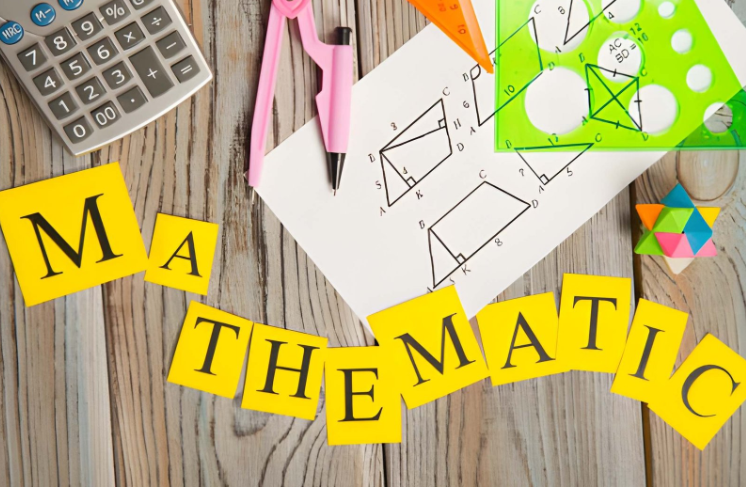
    Why Mathematics Skills Matter in Everyday Life

    Mathematics is often seen as a school subject filled with formulas, equations, and tests. However, math is much more than something learned in the classroom. Strong mathematics skills are useful in everyday life, helping people make better decisions, solve problems, manage money, and understand the world around them. Whether you are shopping for groceries, planning a trip, cooking dinner, or managing a budget, math plays an important role.

    In today’s fast-paced world, practical math skills are more valuable than ever. From basic arithmetic to logical reasoning, mathematics helps us think clearly and act confidently in daily situations.

    Mathematics Helps with Money Management

    One of the most important reasons mathematics skills matter in everyday life is money management. Every day, people use math to earn, spend, save, and invest money. Understanding numbers makes it easier to create a personal budget, compare prices, calculate discounts, and avoid unnecessary debt.

    For example, when shopping, you may need to compare two products of different sizes and prices to decide which offers better value. If an item is 25% off, basic percentage skills help you understand the actual savings. When paying bills, checking bank statements, or calculating monthly expenses, math helps ensure accuracy and financial control.

    Mathematics is also essential for long-term financial planning. Understanding interest rates, loan repayments, credit card charges, and savings growth can help people make smarter financial choices. Without basic math skills, it becomes easier to overspend, misunderstand financial agreements, or fall into debt.

    Math Improves Problem-Solving Skills

    Mathematics teaches more than numbers; it teaches problem-solving. When solving a math problem ga6789.stream, you learn how to analyze information, identify patterns, choose a strategy, and check your answer. These same skills are useful in everyday situations.

    For instance, if your car uses a certain amount of fuel per mile, you can calculate how much gas you need for a trip. If you are organizing an event, math helps you estimate costs, arrange seating, and plan food quantities. If something goes wrong at home, such as measuring materials for a repair, problem-solving skills help you find a practical solution.

    Good math skills encourage logical thinking. Instead of guessing, people can use facts and calculations to make informed decisions. This ability is valuable in both personal and professional life.

    Mathematics Supports Cooking and Home Activities

    Cooking is a common daily activity that often requires math. Recipes involve measurements, fractions, ratios, and time. If a recipe serves four people but you need to cook for eight, you must double the ingredients. If you only want half the recipe, you need to divide the quantities correctly.

    Math also helps with measuring liquids, weighing ingredients, setting oven temperatures, and timing meals. A small mistake in measurement can change the taste, texture, or quality of food. This shows how practical mathematics skills can improve everyday tasks.

    Home improvement projects also depend on math. Measuring a room for new flooring, calculating paint needed for a wall, or choosing furniture that fits a space all require numerical understanding. Without math, these tasks can become more expensive and frustrating.

    Math Helps with Time Management

    Time management is another area where mathematics is important. People use math to plan schedules, estimate travel time, meet deadlines, and balance daily responsibilities. Whether you are getting ready for work, taking children to school, or planning appointments, time calculations help keep life organized.

    For example, if you need to arrive somewhere by 9:00 a.m. and the journey takes 35 minutes, you must calculate when to leave. If you have several tasks to complete in one day, estimating how long each task will take allows you to plan effectively.

    Good time management reduces stress and improves productivity. Mathematics helps people make realistic plans and use their time wisely.

    Mathematics Is Important in the Workplace

    Many jobs require mathematics skills, even jobs that are not directly related to science or engineering. Retail workers use math to handle payments and give change. Office workers analyze data, manage schedules, and prepare reports. Construction workers measure materials and calculate costs. Nurses use math to measure medication doses and monitor patient information.

    In business, math is essential for sales, marketing, accounting, inventory, and performance analysis. Employers often value workers who are comfortable with numbers because they can make accurate decisions and solve problems efficiently.

    As technology continues to grow, mathematical thinking is becoming even more important. Data, statistics, and digital tools are now part of many careers. Having strong math skills can improve job opportunities and career success.

    Math Builds Confidence and Independence

    People who understand mathematics often feel more confident in everyday life. They can check receipts, understand bills, question unfair charges, and compare options before making decisions. This independence is especially important when dealing with banks, contracts, loans, insurance, and major purchases.

    Math confidence also helps reduce anxiety. Many people feel nervous when faced with numbers, but regular practice can make math easier and less intimidating. Basic skills such as addition, subtraction, multiplication, division, percentages, and estimation can make a big difference in daily confidence.

    Mathematics Helps Us Understand the World

    Mathematics is all around us. It appears in weather forecasts, sports scores, health statistics, maps, technology, and news reports. Understanding numbers helps people interpret information accurately.

    For example, Xổ số Ga6789 when reading a news article about inflation, unemployment, or public health, basic math skills help you understand percentages and trends. When comparing fitness progress, such as steps walked or calories burned, math helps measure improvement. Even in hobbies like photography, music, gardening, and gaming, mathematics often plays a hidden role.

    By understanding math, people become better at recognizing facts, questioning information, and making thoughtful decisions.

    .

    How to Improve Everyday Mathematics Skills

    Improving mathematics skills does not always require advanced study. Simple daily habits can make a big difference. You can practice mental math while shopping, calculate tips at restaurants, track your spending, or measure ingredients while cooking. Online tools, apps, videos, and practice exercises can also help strengthen basic math skills.

    The key is to connect math with real-life situations. When people see how useful math is, learning becomes more meaningful and enjoyable.

    Conclusion

    Mathematics skills matter in everyday life because they help with money management, problem-solving, cooking, time management, work, and decision-making. Math is not just a subject for students; it is a practical life skill that supports independence, confidence, and success.

    By improving basic mathematics skills, people can better manage daily tasks, avoid mistakes, and understand the world more clearly. In every stage of life, math remains a powerful tool for making smarter choices and living more effectively.

  • Hello world!

    Welcome to WordPress. This is your first post. Edit or delete it, then start writing!